For many families, caring for a child with cerebral palsy involves navigating a wide range of needs, including therapy, specialist equipment, home adaptations, educational support and ongoing care. While valuable support may be available through the NHS, local authorities and education services, some children require additional assistance that can be difficult to access or may involve long waiting times.
Where cerebral palsy has been caused by medical negligence, a compensation claim can sometimes provide access to funding that helps meet those needs and improve a child’s quality of life over the long term. In the most serious cases, compensation can be used to fund support and care requirements throughout a person’s lifetime.
Accommodation and Adapted Living Spaces
Many families find that, as their child grows, their home no longer meets their needs.
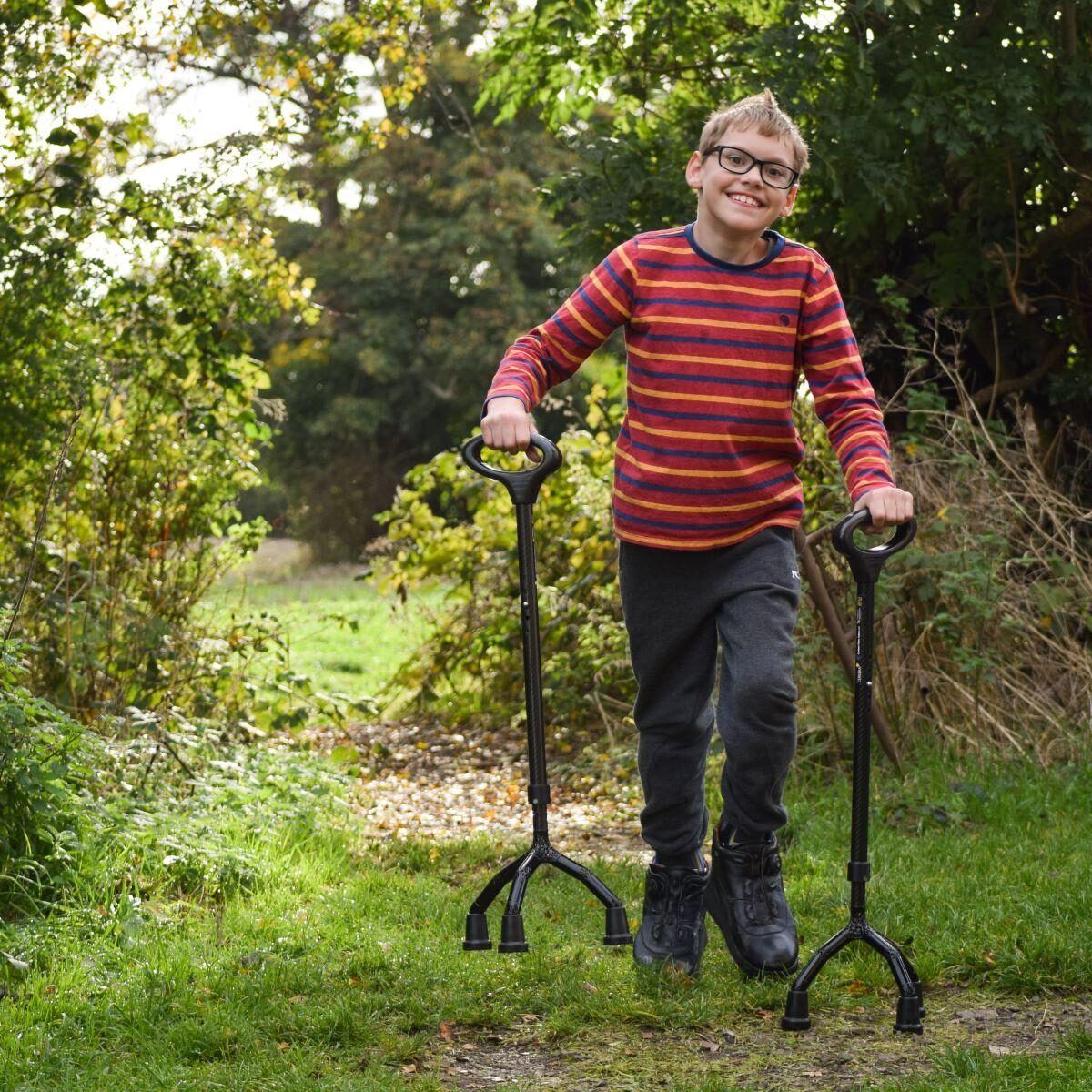
A child who uses a wheelchair, requires mobility equipment or needs assistance with everyday activities may face practical barriers within a standard family home. As part of a clinical negligence claim, specialist experts can assess how a child’s living environment could be adapted to promote greater independence, safety and comfort.
Adaptations may include wheelchair-accessible entrances, widened doorways, adapted bathrooms, ceiling track hoists, lifts between floors and specialist environmental control systems. In some cases, additional space may be needed for therapy, specialist equipment or carers.
Where adapting an existing property is not practical or cost-effective, compensation may support the purchase of a more suitable property or even the construction of a purpose-built home designed around a child’s long-term needs. Families may also require temporary accommodation while significant adaptations are completed.
Promoting Independence and Quality of Life
Compensation is not simply about meeting medical needs. It can also help children participate more fully in family life, education, hobbies and social activities.
For some children, accessible outdoor spaces can provide opportunities to enjoy nature, develop physical skills and spend time with family and friends in a safe and inclusive environment. Adapted gardens, sensory play areas and specialist recreational equipment may all form part of a child’s support package.
Sensory rooms can also provide valuable benefits for some children with cerebral palsy, particularly those who experience additional sensory processing difficulties. These spaces can be tailored to an individual’s needs and may include features such as adjustable lighting, tactile surfaces, weighted blankets, soft play equipment or other sensory aids designed to create a calming and engaging environment.
Importantly, no two children with cerebral palsy are the same. What is beneficial for one child may not be appropriate or necessary for another, which is why support should always be tailored to the individual’s specific needs and circumstances.
Therapy and Rehabilitation
Children with cerebral palsy often benefit from ongoing therapeutic intervention throughout childhood and into adulthood.
Depending on their needs, compensation may provide funding for a range of therapies, including physiotherapy, occupational therapy, speech and language therapy, hydrotherapy and psychological support. These services can help children maximise their physical abilities, develop communication skills and build confidence and independence.
A successful claim may also fund specialist case management to coordinate rehabilitation and ensure that different professionals work together to support the child and their family. Early and consistent access to therapeutic support can play an important role in helping a child achieve their full potential.
Communication Support and Assistive Technology
Effective communication is essential for education, social development and emotional wellbeing.
Some children with cerebral palsy benefit from Augmentative and Alternative Communication (AAC) systems, which can range from simple communication aids to sophisticated technology that allows individuals to express themselves through speech-generating devices.
Specialist assessment can help identify the most appropriate communication tools for a child, supporting their ability to engage with education, express choices, build relationships and advocate for themselves as they grow older.
Advances in assistive technology have also created new opportunities for children with complex needs, helping them access learning, control aspects of their environment and participate more independently in everyday life.
Accessible Transport
Travel can present significant challenges for families caring for a child with complex physical needs.
Modified vehicles, wheelchair-accessible vans and other specialist transport solutions can help children attend medical appointments, school, therapy sessions and social activities more easily. Access to suitable transport can also make it easier for families to enjoy holidays, community activities and time together outside the home.
Interim Payments During a Claim
Clinical negligence claims can take several years to conclude. However, families may not always need to wait until the end of the legal process to access support.
In some cases, interim payments can be obtained before a claim is resolved. These advance payments can be used to fund urgent needs such as therapy, specialist equipment, additional care or home adaptations, helping to improve a child’s quality of life while the claim continues.
For many families, access to this funding can make a significant difference during what is often a challenging and uncertain period.
Looking Beyond Compensation
No two children with cerebral palsy are the same, and the support that benefits one child may be very different from that required by another.
Where cerebral palsy has developed as a result of medical negligence, a successful claim can help identify and fund the care, therapies, equipment, accommodation and specialist support a child may need throughout their life. By bringing together input from a range of professionals, it is possible to create a package of support that reflects the individual’s circumstances, goals and aspirations.
Ultimately, the aim is not simply to secure compensation, but to help children achieve the greatest possible level of independence, participation and quality of life while supporting their families in meeting the challenges they may face.
Although we are grateful to receive support from a number of corporate sponsors, we do not endorse any specific organisation. If you are seeking legal advice, we encourage you to contact a number of experienced solicitors for an initial discussion before selecting a firm.